
Tuscola County Arrest Warrants Explained
An arrest warrant is criminal process, nothing less. Michigan law spells out what the paper must do: recite the accusation, direct a peace officer to arrest the person, present them before a magistrate, and return the warrant afterward. A Tuscola County warrant is the court's call that the accusation justifies taking someone into custody. Probable cause is the gate it must pass through. A complaint or affidavit lays out the facts, and a magistrate or judge weighs whether those facts support the charge. There is a wrinkle worth knowing. When someone is arrested without a warrant, Michigan procedure lets the magistrate issue one, or endorse the complaint, once reasonable cause appears. Note: A mailed notice about a felony case and an active arrest warrant are not the same, since a warrant can be entered even after a notice went out.
How a Tuscola County Arrest Warrant Gets Filed
The route a case travels depends on the charge. A felony in Tuscola County never arrives as an ordinary ticket on the 71B page; it opens with a complaint and a probable-cause review. The district court holds the preliminary examination, where probable cause gets tested before anything moves up. If the case proceeds, the 54th Circuit Court takes it over and the County Clerk keeps the file. Charges can start with the Sheriff's Office or with a city department like Caro Police or Vassar Police. The originating agency supplies the report and affidavit, but the court controls the warrant. The 71B District Court page lays out the felony and misdemeanor process, including how a case moves between the two courts.
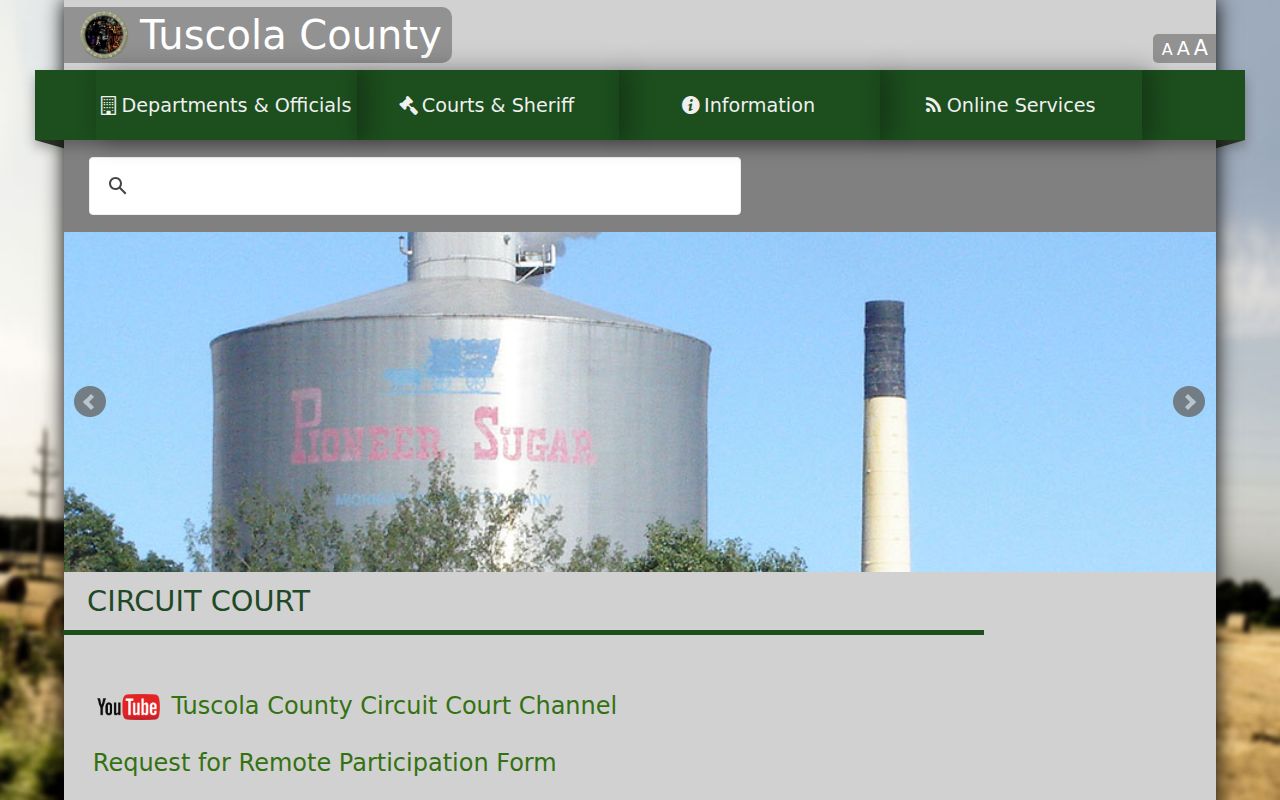
A felony case that clears probable cause lands in Circuit Court. From there, Tuscola County records stay with the County Clerk.
Inside a Tuscola County Arrest Warrant
What is actually written on a Tuscola County arrest warrant? The details serve two masters. Officers need enough to identify the right person, and the court needs the case tied down.
| Warrant Number | The court's identifier, shown here as a format sketch like 71B-2024-000000 rather than a real record. |
|---|---|
| Named Subject | The person named on the warrant as the court has them listed. |
| Charge or Offense | The offense the complaint supports. |
| Issuing Judge or Court | The judicial officer who signed the order and the court that holds the case. |
| Bond or Bail Set | A cash or surety figure where the court states one, or another release condition. |
| Date Issued | The date the order took effect. |
| Peace-Officer Return | The record of what happened when the warrant was executed or attempted. |
The same document may carry a date of birth, a driver-license number, and physical descriptors. Every one of those exists for identification in a Tuscola County case. None belongs in a public posting.
Tuscola County Arrest Warrants and LEIN
Once a Tuscola County warrant issues, the court's order can be entered into LEIN. Officers then encounter it during a traffic stop or a records check. That entry is what makes an outstanding warrant matter in daily life. It is also why the public cannot see it. LEIN access belongs to criminal-justice and statutorily authorized agencies alone. The state's public criminal-history service is no substitute. ICHAT states plainly that warrant information is not available through it, and it also leaves out federal, tribal, juvenile, traffic, and local misdemeanor records. So the court that issued the process stands as the only public source able to confirm a warrant's status. The Michigan State Police LEIN description details how that system works.
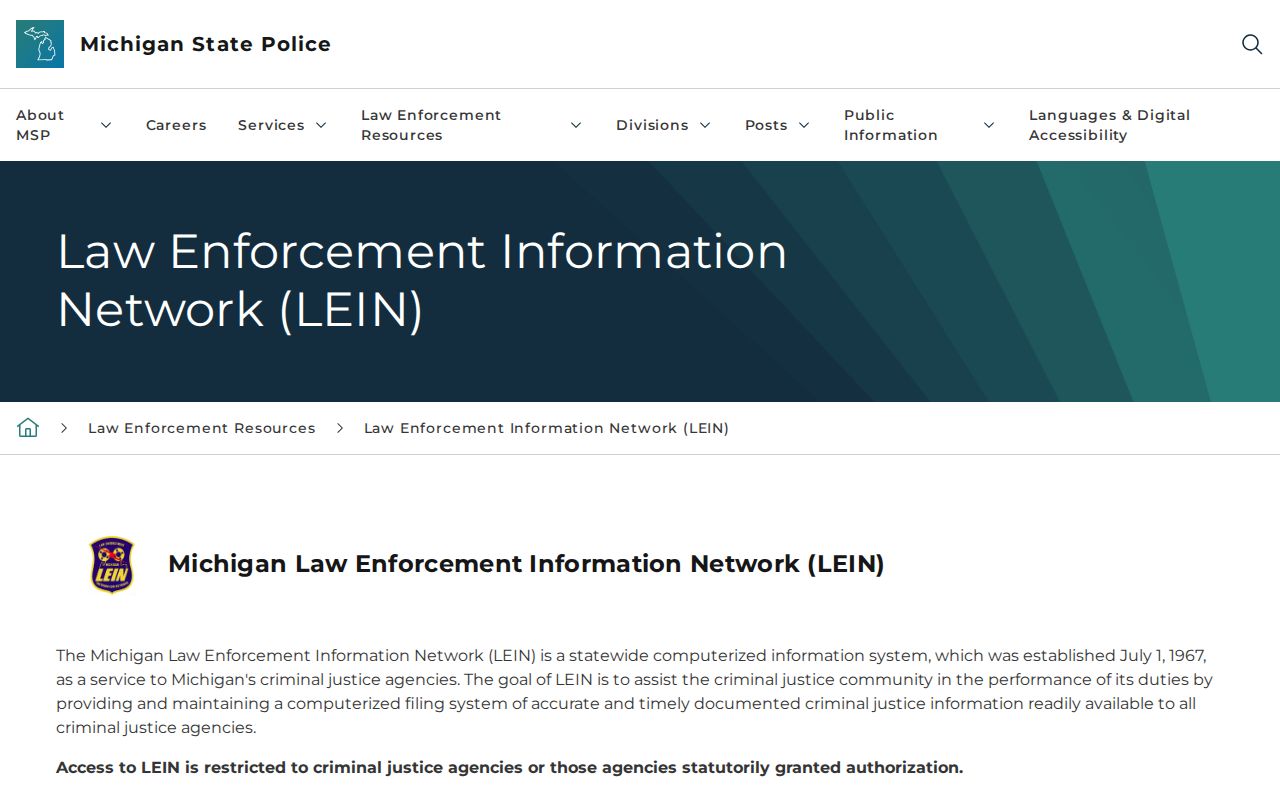
The restriction is deliberate. No public portal substitutes for the Tuscola County court that issued the process.
Serving Arrest Warrants in Tuscola County
The Sheriff's Office serves county process, while city departments handle warrants tied to their own investigations. Service can happen anywhere in Tuscola County: at a residence, during a traffic stop, at a workplace, or when someone walks into a building on unrelated business. The warrant hands the officer authority to take the person into custody and bring them before the court. Booking at the jail follows. So does an appearance before a magistrate or judge, and then a bond decision. The Sheriff's page lists kiosk, ExpressAccount, and telephone payment routes in the detention and bond context. Those routes apply to a specific case, not to every warrant. Note: Bond amounts and accepted payment methods belong to the court, and should be confirmed rather than assumed from a webpage.
Summons vs Tuscola County Arrest Warrant
Filing a charge in Tuscola County does not force the court to issue an arrest warrant. When taking someone into custody seems unnecessary, the judge can sign a summons instead. That paper sets a date and tells the person to show up. The benchbook materials treat the two as alternatives, picked case by case. A summons feels gentler. Skip it, though, and the court can issue a warrant for the failure to appear. Before the date arrives, confirm the courtroom, the time, and whether an attorney should come along.
Comparing Arrest, Summons, and Bench Warrants
Three instruments, three purposes, and one shared lesson about showing up.
| Feature | Arrest Warrant | Summons | Bench Warrant |
|---|---|---|---|
| What It Orders | An arrest and a court appearance | An appearance on a set date | An arrest for a missed obligation |
| Basis | Probable cause of an offense | A charge that does not require custody | Failure to appear or comply |
| Who Issues It | A judge or magistrate | The court or an officer | The judge in the existing case |
| How to Respond | Surrender, bond, and counsel | Appear on the date | A recall, an appearance, or a motion to quash |
Start by reading which court is named, because that court controls the next step.
Federal Arrest Warrants Reaching Tuscola County
A federal case is a different animal from anything in Tuscola County's own courts. The county sits in the Eastern District of Michigan. Federal judges there keep their own dockets, and the U.S. Marshals Service runs fugitive apprehension. The nearest divisional office sits in Bay City. Want to see a federal case file? The docket system charges a per-page fee, though a quarterly threshold applies before charges start. Sealed matters never appear. Neither PACER nor any county page publishes a federal warrant list. And remember the split of power here: the Sheriff's Office cannot recall a federal warrant, while a federal court will not touch a Michigan district court case. For details, see federal docket access and fees on the PACER pricing page.
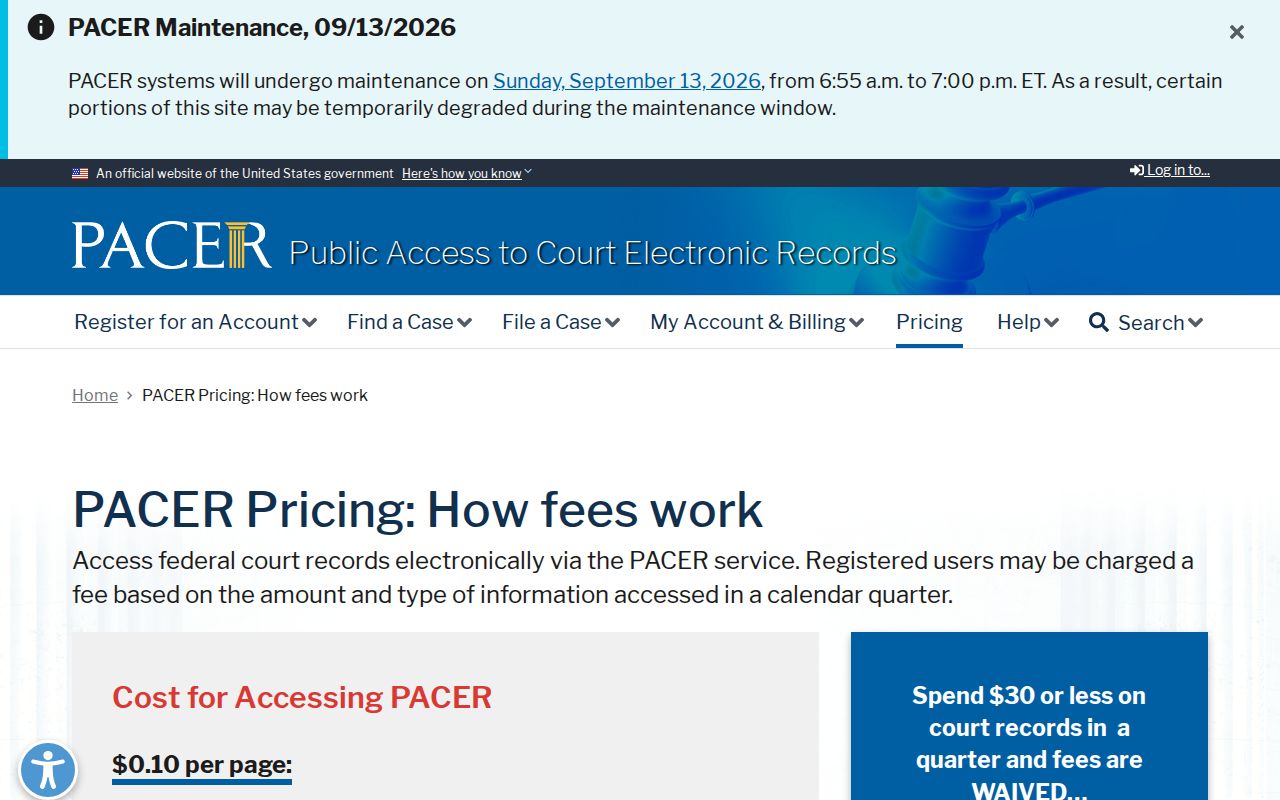
That page covers fees and access rules for the federal docket system. A case search there is a records tool, not a warrant check for Tuscola County. Note: The federal layer sits apart from the county courts, so questions about a federal case belong with the federal clerk in Bay City.
Tuscola County Arrest Warrant Contacts and Counters
Each counter answers one piece of the puzzle. Go first to the court that issued the warrant in Tuscola County, and bring service or surrender questions to the Sheriff's Office.
71B District Court
440 N State St, Caro, MI 48723
Probable-cause stage, misdemeanors, and traffic matters
989-672-3800
54th Circuit Court
440 N State St, Caro, MI 48723
Felony cases and circuit scheduling
989-673-3330
Tuscola County Sheriff's Office
420 Court St, Caro, MI 48723
Service, booking, bond, and walk-in surrender
989-673-8161
Federal matters in Tuscola County route to the divisional clerk in Bay City. Fugitive tips go to the Marshals line. Use U.S. District Court Bay City clerk contact for the clerk's details.
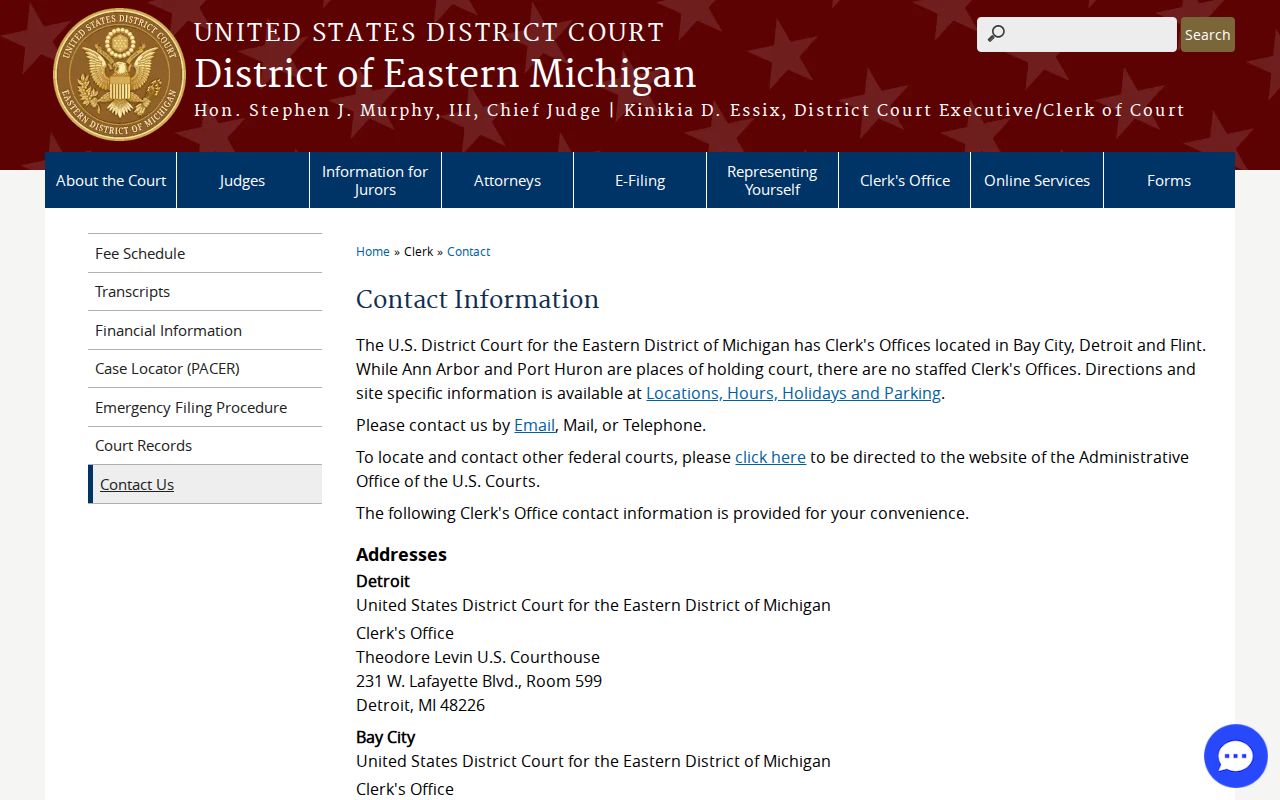
That office serves the federal courts here and does not handle county warrants.
What Follows a Tuscola County Arrest Warrant
An arrest kicks off a familiar sequence. Booking comes first, then arraignment, where the charge is read, rights are covered, and bond gets set. After that, the case heads toward a plea or a preliminary examination in the district court handling Tuscola County matters.
- Booking at the jail, where the warrant and the charge are recorded.
- An arraignment, where the court sets or reviews bond and the next date.
- A probable-cause or preliminary examination for a felony matter.
- A circuit court path if the case is bound over.
Need appointed counsel? The 71B page points to the MIDC contact at 989-672-3799, though the Tuscola County court confirms eligibility. Note: An arraignment is its own court appearance, so the warrant is not the end of the process.
If There's an Arrest Warrant for You
Your choices are few but they count, and the order protects you. Confirm the warrant and which court issued it. Retain an attorney. Let counsel shape the surrender, the bond talk, and any motion to recall or quash. A surrender arranged in advance beats an arrest in traffic. The Tuscola County warrant records overview covers resolution paths in depth, and the Sheriff's public page describes the walk-in process at the office.
Important: Consult a lawyer before turning yourself in. An active arrest warrant can lead to arrest at any traffic stop or contact with law enforcement.